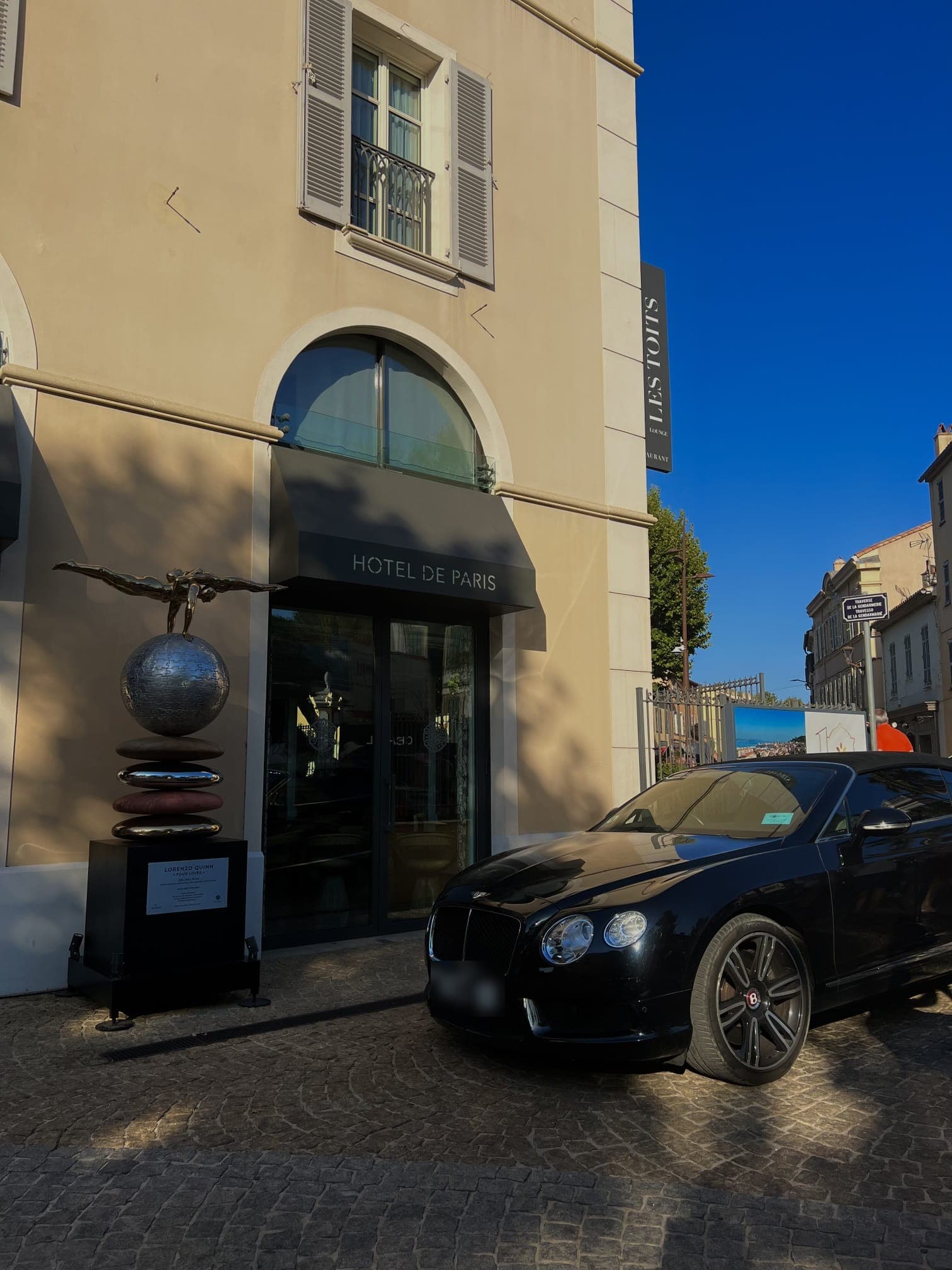
Ghent sits 55 kilometres from Brussels: 45 minutes by private vehicle. Less visited than Bruges but architecturally more complex, Ghent rewards the discerning traveller who prefers institutions over tourism. FFGR Belgium programmes the complete private visit.
Ghent is positioned differently from Bruges in the European cultural consciousness. Where Bruges has been a destination of international tourism since the 19th century (Henry James wrote of it admiringly; it has been staged and restaged as picturesque ever since), Ghent has maintained a working Flemish character that coexists with its extraordinary patrimony without being entirely defined by it. This gives Ghent a quality that the most discerning travellers find more satisfying: the city functions independently of the visitor, which means the visitor encounters something genuine rather than something curated for their consumption.
The architectural anchors of Ghent are the three medieval towers, the Belfort, Sint-Niklaaskerk, and Sint-Baafskathedraal, which rise from the Graslei quarter in a configuration that has been reproduced in paintings since the 15th century. Sint-Baafskathedraal houses the Ghent Altarpiece (Het Lam Gods), completed by Jan van Eyck in 1432 and considered among the most significant surviving works of medieval European painting. The lower register panels, returned to Ghent from various wartime dispersals (several panels were seized by the Nazis and recovered by the Monuments Men), are displayed in a dedicated viewing chamber that FFGR Belgium can arrange priority access to outside standard visiting hours by prior coordination with the cathedral administration.
The STAM, Ghent City Museum, provides the best contextual introduction to Ghent's history as a medieval commercial power. At its peak in the 14th century, Ghent was among the three or four largest cities in northern Europe, comparable to London in population and trading volume. The museum's permanent collection maps this trajectory from Carolingian origins through the cloth trade, the guild system, the civic revolts (Charles V was born in Ghent; the city's relationship with its most famous son was one of permanent tension), and the industrial revolution that made Ghent one of the first continental cities to mechanise textile production.
FFGR Belgium's Ghent programme is typically scheduled as a half-day from Brussels (departure 09:00, return by 14:30) or combined with an afternoon in Bruges as a full Flemish cultural circuit, the two cities are 45 kilometres apart on the E40. The Bentley Flying Spur is the natural vehicle for this itinerary: it performs the Brussels-Ghent-Bruges-Brussels triangle without pause, and its interior provides the space to review acquisitions and correspondence on the return journey.