حيث تقررت
حسم هنا
في 18 يونيو 1815، وضعت معركة استمرت تسع ساعات على بعد 20 كيلومتراً جنوب بروكسل حداً لثلاثة وعشرين عاماً من الحروب في أوروبا، وأعادت رسم الجغرافيا السياسية للقارة بصورة جوهرية. وقد هيأت هزيمة نابليون في واترلو الظروف لنظام توازن القوى الذي حكم الدبلوماسية الأوروبية طوال قرن، ومهدت في نهاية المطاف لظهور بلجيكا نفسها دولة مستقلة عام 1830.
بالنسبة إلى الدبلوماسيين والملحقين العسكريين وكبار المسؤولين المقيمين في بروكسل، تحمل واترلو صدى خاصًا: فالمؤسسات التي يعملون فيها هي، عبر سلسلة طويلة من الأسباب، وليدة ما جرى هنا. وتوفّر FFGR Belgium زيارة خاصة بصحبة متخصص، مصمَّمة لهذا الجمهور تحديدًا.
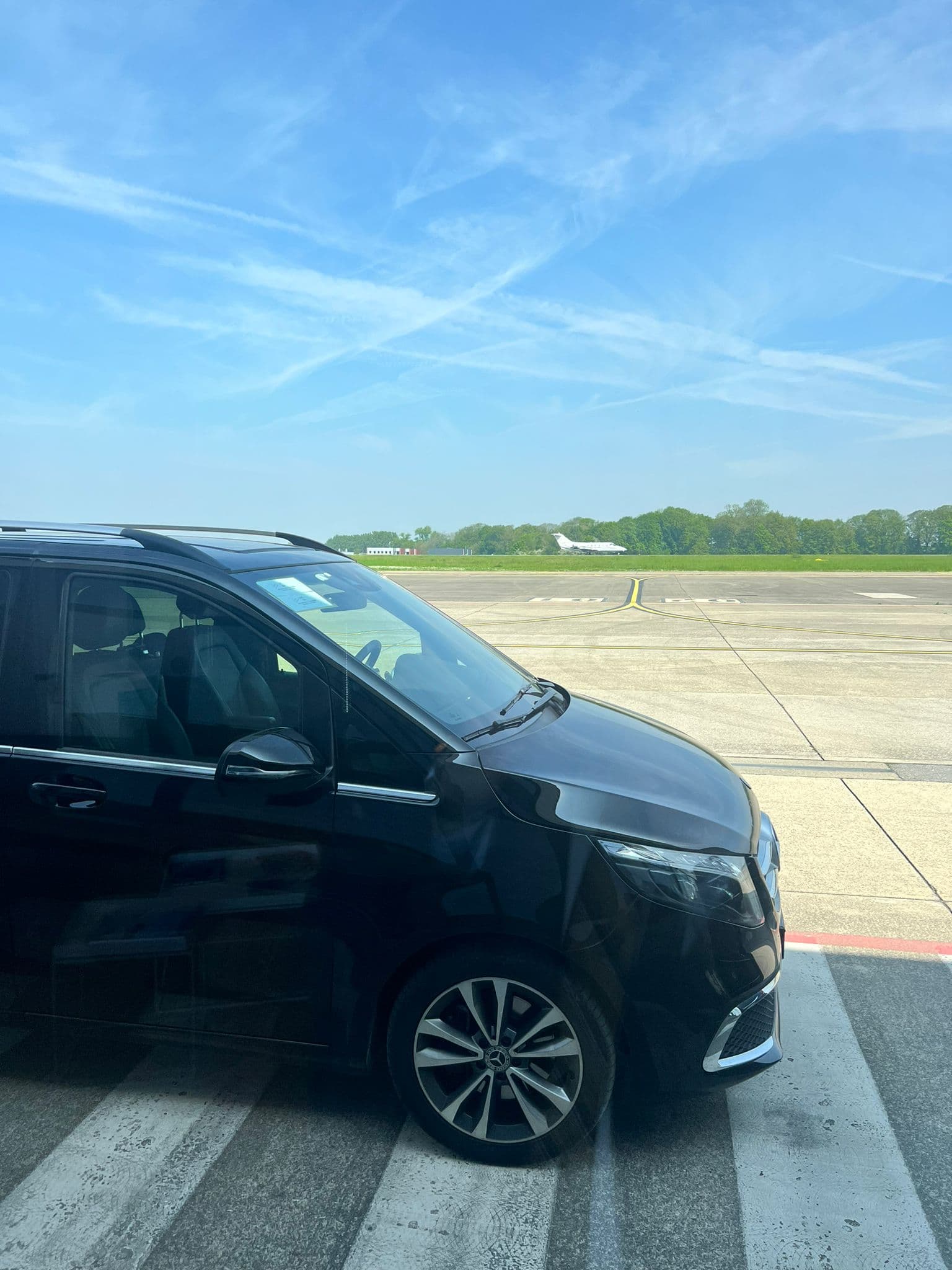
ساحة المعركة ليست مزدحمة ولا تجارية بمقاييس المواقع التاريخية الأوروبية المماثلة. وترتّب FFGR Belgium الدخول إلى المتحف الرئيسي قبل الافتتاح، وإحاطات خاصة من الدليل، وسيارة تتنقل بكفاءة بين المواقع المتفرقة على عشرة كيلومترات مربعة من الأرض الزراعية.
The جولة ساحة المعركة
Mémorial 1815
مجمع المتاحف الرئيسي في ساحة معركة واترلو. أنجزت اللوحة البانورامية التي يبلغ محيطها 110 أمتار وتصور المعركة في ذروتها عام 1912، وما زالت من البانورامات التاريخية اللافتة في أوروبا. ترتب FFGR Belgium دخولا خاصا قبل ساعات الجمهور.
Le Caillou: آخر مقر قيادة لنابليون
المزرعة التي أمضى فيها نابليون الليلة السابقة للمعركة وعقد فيها آخر مؤتمر لأركانه. هي اليوم متحف يحفظ مقتنيات شخصية منها سرير نابليون الميداني ومنظاره ومعدات حملته. تجربة حميمة في تاريخ نابليون ضمن متاحف أوروبا.
La Belle-Alliance
المزرعة التي التقى فيها Wellington وBlücher بعد المعركة لتأكيد انتصار الحلفاء. اقترح اسمها للمعركة الأخيرة، لكن معركة واترلو سميت في النهاية نسبة إلى مقر Wellington لا إلى ساحة القتال نفسها. موقع رئيسي لفهم ختام الحملة.
مزرعة Hougoumont
الموقع الدفاعي الأهم في المعركة. أدت قدرة Wellington على الصمود في Hougoumont أمام الهجوم الفرنسي المتواصل إلى استنزاف 12000 جندي فرنسي في عملية ثانوية. تقدم المزرعة والكنيسة المرممتان عرضا حيا للقتال الذي استمر طوال اليوم للسيطرة على المجمع.
تل الأسد Butte du Lion
تل اصطناعي من 226 درجة أقامته مملكة هولندا لتحديد الموقع الذي أصيب فيه أمير أورانج. يمكن رؤية ساحة المعركة بأكملها من القمة، ويستخدم مرشد FFGR Belgium هذه النقطة لتقديم نظرة تكتيكية شاملة على قتال ذلك اليوم.
مقر Wellington
فندق Hôtel de la Bodenière في قرية Waterloo، حيث بات Wellington ليلة المعركة. وقد كُتب هنا تقريره بعد النصر: «لقد كان الفوز بشعرة». متحف صغير لكنه دقيق تاريخيًا، يضم مراسلات Wellington ومقتنياته الشخصية.
اختر تجربة واترلو
نصف يوم في ساحة المعركة
- Rolls-Royce أو Maybach من فندقكم في بروكسل
- Mémorial 1815 مع مؤرخ عسكري متخصص
- شرح اللوحة البانورامية، محيط 110 أمتار
- نظرة تكتيكية من تل الأسد
- العودة إلى بروكسل بحلول 13:30
يوم كامل في ساحة المعركة
- المواقع الستة لساحة المعركة بترتيب زمني
- دخول خاص إلى Le Caillou، مقر نابليون
- جولة تكتيكية مع مرشد في مزرعة Hougoumont
- مقر Wellington في قرية واترلو
- غداء في مطعم La Sucrerie، قرب ساحة المعركة
- مؤرخ عسكري متخصص طوال البرنامج
برنامج دبلوماسي لساحة المعركة
- دخول Mémorial 1815 قبل الافتتاح، قبل الجمهور بـ30 دقيقة
- سرد جيوسياسي وتاريخي مخصص
- التركيز على حرب التحالف والدبلوماسية وأوروبا ما بعد نابليون
- نقل بسيارة Rolls-Royce Phantom أو Ghost
- اختياري: المتابعة إلى ميخلين، تاريخ ممر بروكسل وبروج
Waterloo برنامج خاص
تقع ساحة معركة واترلو على بعد نحو 20 كم جنوب وسط بروكسل، أي من 25 إلى 35 دقيقة بمركبة خاصة حسب حركة المرور. يقع مقر Wellington في قرية واترلو أقرب قليلا. تشمل جميع برامج FFGR Belgium النقل بين بروكسل وواترلو.
تعمل FFGR Belgium مع مجموعة مختارة من المرشدين المعتمدين المتخصصين في الحقبة النابليونية وحملة واترلو تحديدا. يحمل المرشدون مؤهلات أكاديمية في التاريخ العسكري ورافقوا وفودا دبلوماسية رفيعة وملحقين عسكريين ورؤساء دول في ساحة المعركة. يرتب المرشد ضمن حجز البرنامج ويمكن إطلاعه مسبقا على اهتماماتكم المحددة.
أنهت معركة واترلو في 18 يونيو 1815 الحروب النابليونية وأعادت رسم الخريطة السياسية لأوروبا. أرسى مؤتمر فيينا، الذي اختتم قبل المعركة بأسابيع، نظام توازن القوى الذي حكم الدبلوماسية الأوروبية لمدة قرن. تحمل واترلو أهمية خاصة لعملاء المؤسسات الأوروبية في بروكسل، إذ تقع ساحة المعركة في مقاطعة بلجيكية، وقد هيأت هزيمة نابليون الظروف لقيام بلجيكا دولة مستقلة عام 1830.
نعم. يجمع البرنامج الشائع بين صباح في واترلو من 08:30 إلى 13:30 وبعد ظهر في Grand Sablon وجولة الشوكولاتة وتجار التحف وعشاء في Comme Chez Soi أو Bon-Bon. تقع ساحة المعركة على بعد 20 كم فقط من وسط بروكسل، مما يجعل الجمع بين نصفي اليوم طبيعيا. تقدم FFGR Belgium أيضا واترلو مع الأردين ضمن جولة نامور ودينان وواترلو ليوم كامل.
بالتأكيد. صمم برنامج FFGR Belgium في واترلو ليكون واضحا وجذابا بصرف النظر عن المعرفة السابقة بالمعركة. يضبط المرشد المتخصص السرد وفقا لخلفية المجموعة. لا تقل حيوية التاريخ السياسي والنتائج الجيوسياسية وشخصيات Wellington ونابليون وBlücher وNey عن التكتيكات العسكرية. يطلب كثير من عملاء FFGR Belgium الدبلوماسيين واترلو ضمن برنامجهم في بروكسل لأصدائه الجيوسياسية تحديدا.
تعد Rolls-Royce Ghost أو Mercedes-Maybach S680 من الخيارات الشائعة لبرنامج ساحة المعركة، فهي مريحة للنقل لمسافة 20 كم وملائمة للموقع وعملية للتنقل بين المواقع المتباعدة في المجمع. للمجموعات الأكبر من 5 إلى 8 ضيوف، تجهز Mercedes-Benz Sprinter Maybach Edition بمقاعد جلدية فردية وتناسب الشرح الجماعي أثناء الانتقال بين المواقع.
احجز برنامج ساحة المعركة
نصف يوم أو يوم كامل: مؤرخ متخصص، وسيارة خاصة، ودخول قبل الافتتاح. وتتولى FFGR Belgium كل تفصيل من فندقكم في بروكسل إلى ساحة المعركة والعودة.