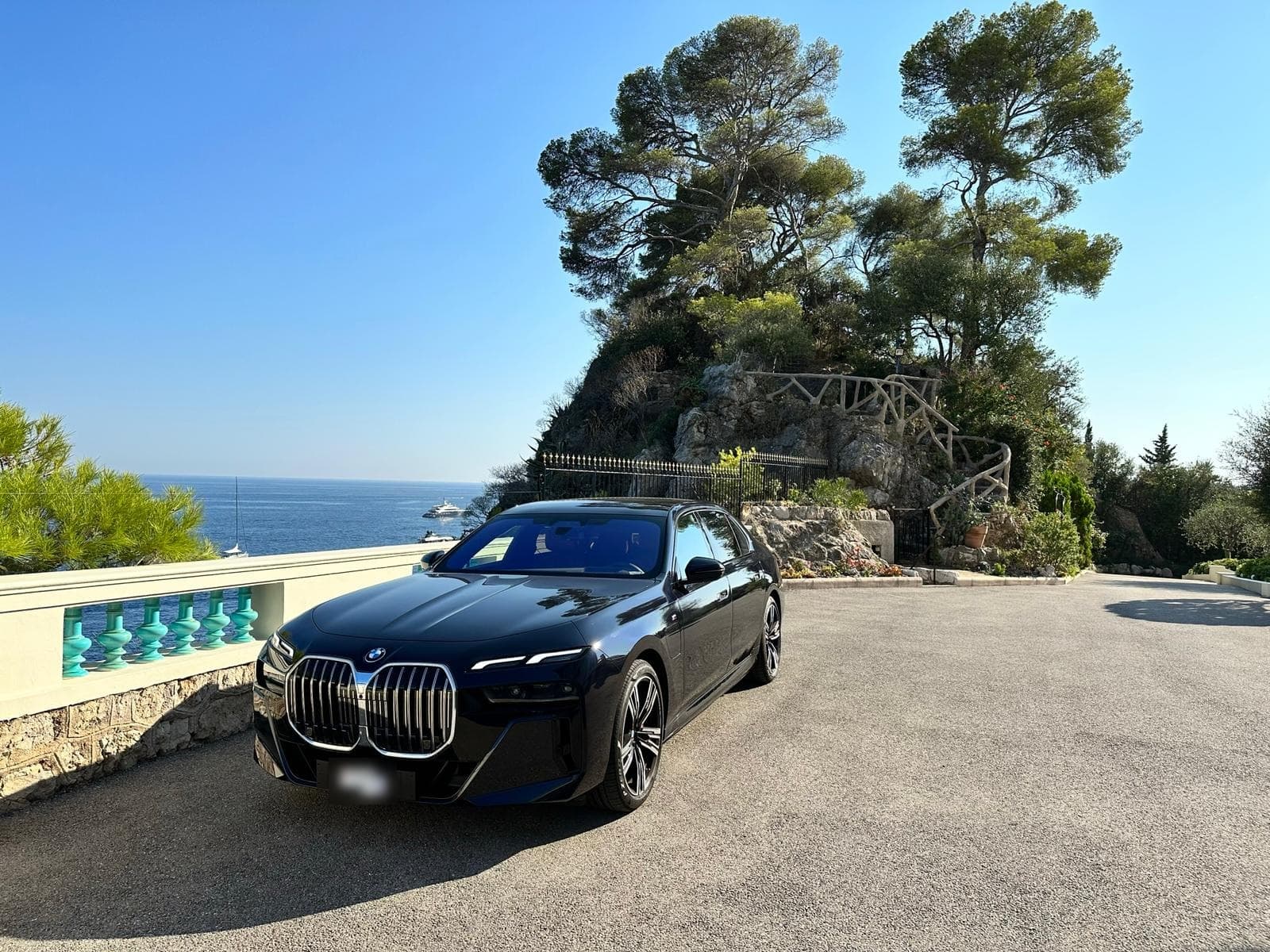
Liège Airport (LGG) handles private aviation, charter flights, and increasing commercial traffic. FFGR Belgium provides premium ground coordination at LGG with 12-minute vehicle positioning, ACARS flight monitoring, and Meet & Greet for all arrival categories.
Liège Airport, officially Liège-Bierset Airport, IATA code LGG, sits approximately 7 kilometres west of the city of Liège in the province of the same name. At approximately 90 kilometres from Brussels and 35 kilometres from Maastricht (Netherlands), it occupies a position at the tri-border junction of Belgium, the Netherlands, and Germany that makes it a natural hub for private aviation serving the broader Benelux and Rhineland region.
LGG is primarily known as one of Europe's major cargo hubs: its geographic position and 24-hour operating licence make it the preferred overnight freight gateway for several major logistics operators. What is less publicly understood is that LGG also maintains a functioning FBO (Fixed Base Operator) serving private aircraft, charter flights, and the occasional commercial operation. The private aviation infrastructure at LGG is less developed than at Brussels BRU or the purpose-built FBOs at Brussels South Charleroi, but the airport's operational flexibility, no curfew, less congestion, faster ground handling turnaround, makes it an increasingly attractive option for operators flying into Belgium who prioritise efficiency over facilities.
FFGR Belgium's LGG service applies the same ACARS flight monitoring protocol used at BRU: real-time position tracking of the inbound aircraft, driver positioning at the FBO gate 10 minutes before wheel-down, and vehicle presence at the aircraft steps within 4 minutes of engine shutdown. The transfer from LGG to Liège city centre takes 15 to 20 minutes; to Brussels, approximately 60 to 75 minutes via the E42 and E40; to Maastricht, 30 minutes via the A3/E25.
For clients arriving at LGG who require onward transport to the Netherlands or Germany: Maastricht, Aachen, Cologne: FFGR Belgium coordinates cross-border transfers as a single-provider service, with appropriate documentation for the client's luggage and any valuables in transit. The Schengen framework eliminates passport controls at the Belgian-Dutch and Belgian-German borders, but the physical crossing point is visible and FFGR Belgium's drivers are familiar with the border crossing locations on each route.
Liège itself: frequently overlooked in favour of Brussels and Bruges: merits a programme note. The Musée de la Vie Wallonne (Walloon life museum) and the Musée des Beaux-Arts occupy the city centre. La Batte, Europe's largest outdoor market, runs on Sunday mornings along the Meuse embankment. The Cité Miroir, a cultural complex in the former Chiroux baths, hosts temporary exhibitions of international standard. For clients with time between an LGG arrival and a subsequent commitment, FFGR Belgium can construct a Liège half-day programme before the onward transfer.