Where the Praline Was Invented
The Belgian praline, a chocolate shell with flavoured filling, was invented in 1912 by Jean Neuhaus in his boutique at the Galerie de la Reine, the world's first covered shopping arcade. He also invented the ballotin, the rigid giftbox that became the global standard for chocolate packaging.
Today, Brussels hosts a concentration of world-class chocolatiers at a density unmatched anywhere. The Place du Grand Sablon: Belgium's most prestigious square: anchors the finest houses. FFGR Belgium has built relationships with each of these maîtres to provide access beyond what a standard visitor could arrange independently.
Private atelier visits, custom praline creation workshops, and behind-the-scenes production access are all arrangeable. The FFGR Belgium concierge manages every logistics element so your programme unfolds without interruption.
Curated Maîtres Chocolatiers
Pierre Marcolini
Brussels-born maître chocolatier who sources single-estate cacao directly from 11 origins. His Sablon flagship features tasting presentations and seasonal collections. Private atelier visits can be arranged for serious collectors through FFGR Belgium concierge.
Wittamer
Belgium's most prestigious chocolatier and pastry house, holding the Royal Warrant of the Belgian Royal Family. The Sablon flagship has operated since 1910. Wittamer's pralines and seasonal cakes are served at the Belgian Royal Court.
Neuhaus
Jean Neuhaus invented the praline in 1912 in this very location: the Galerie de la Reine, the world's first covered shopping arcade. The original boutique operates today. Neuhaus also invented the ballotin (the chocolate box), now universal worldwide.
The Chocolate Line
Bruges-born, Brussels-placed, Dominique Persoone's avant-garde chocolatier known for provocative flavour combinations: whisky-tobacco, cola-lime, curry. His private Chocolate Experience presentations are legendary in gastronomic circles.
Laurent Gerbaud
Belgian chocolatier with Chinese origins who studied under Pierre Hermé in Paris. Gerbaud incorporates rare teas, lychee, and Asian spices into his pralines. His small workshop near Bozar is visited by collectors and gastronomes equally.
Mary Chocolatier
Established in 1919 on Rue Royale, Mary holds the title of Official Purveyor to the Belgian Court. The brand supplies chocolate to diplomatic receptions and state events at the Palace. Discreet, classic, and deeply Belgian.
Choose Your Chocolate Experience
Sablon Half-Day
- Neuhaus (Galerie de la Reine)
- Pierre Marcolini (Place du Grand Sablon)
- Wittamer (Place du Grand Sablon)
- Guided narrative on praline history and cacao origins
Complete Chocolate Circuit
- All 6 maîtres chocolatiers
- Private atelier presentation at Marcolini or Gerbaud
- Grand Sablon Antiques Market (Saturday/Sunday)
- Chocolatier comparison tasting notes by FFGR guide
Artisan Atelier Workshop
- Private maître chocolatier workshop (2-3 hours)
- Hands-on praline creation session
- Custom giftbox creation
- Rolls-Royce transport from Brussels hotel
Bruges Chocolate Atelier
- Brussels → Bruges by Rolls-Royce (100km, 55min)
- The Chocolate Line Bruges atelier (Dominique Persoone)
- Simon Stevin chocolate circuit in Bruges historic centre
- Bruges Michelin lunch at De Jonkman or Zet'Joe
Belgian Chocolate Private Access
The Place du Grand Sablon is Brussels' most prestigious neighbourhood: a 17th-century square originally a horse market, now home to Belgium's finest antique dealers, art galleries, and chocolatiers. Pierre Marcolini and Wittamer both have flagship boutiques here. On Saturdays and Sundays, the Sablon Antiques Market operates alongside the chocolate houses, creating an unmatched curated experience. FFGR Belgium routinely programmes weekend Sablon visits combining antiques, chocolate, and private dining.
Yes. FFGR Belgium's concierge network includes direct contacts at both houses. Private atelier visits: including cacao origin tastings, production process demonstrations, and custom praline creation: can be arranged with 14-21 days advance notice. These experiences are not publicly bookable and require the kind of introduction that the FFGR Belgium concierge provides.
The chocolate praline was invented in 1912 by Jean Neuhaus in his boutique at Galerie de la Reine 25-27: the world's first covered shopping arcade, opened in 1847. Neuhaus also invented the ballotin (the rigid chocolate box) in 1915. The original boutique still operates at this address today. FFGR Belgium includes this location in all chocolate programmes with a historical presentation of the invention.
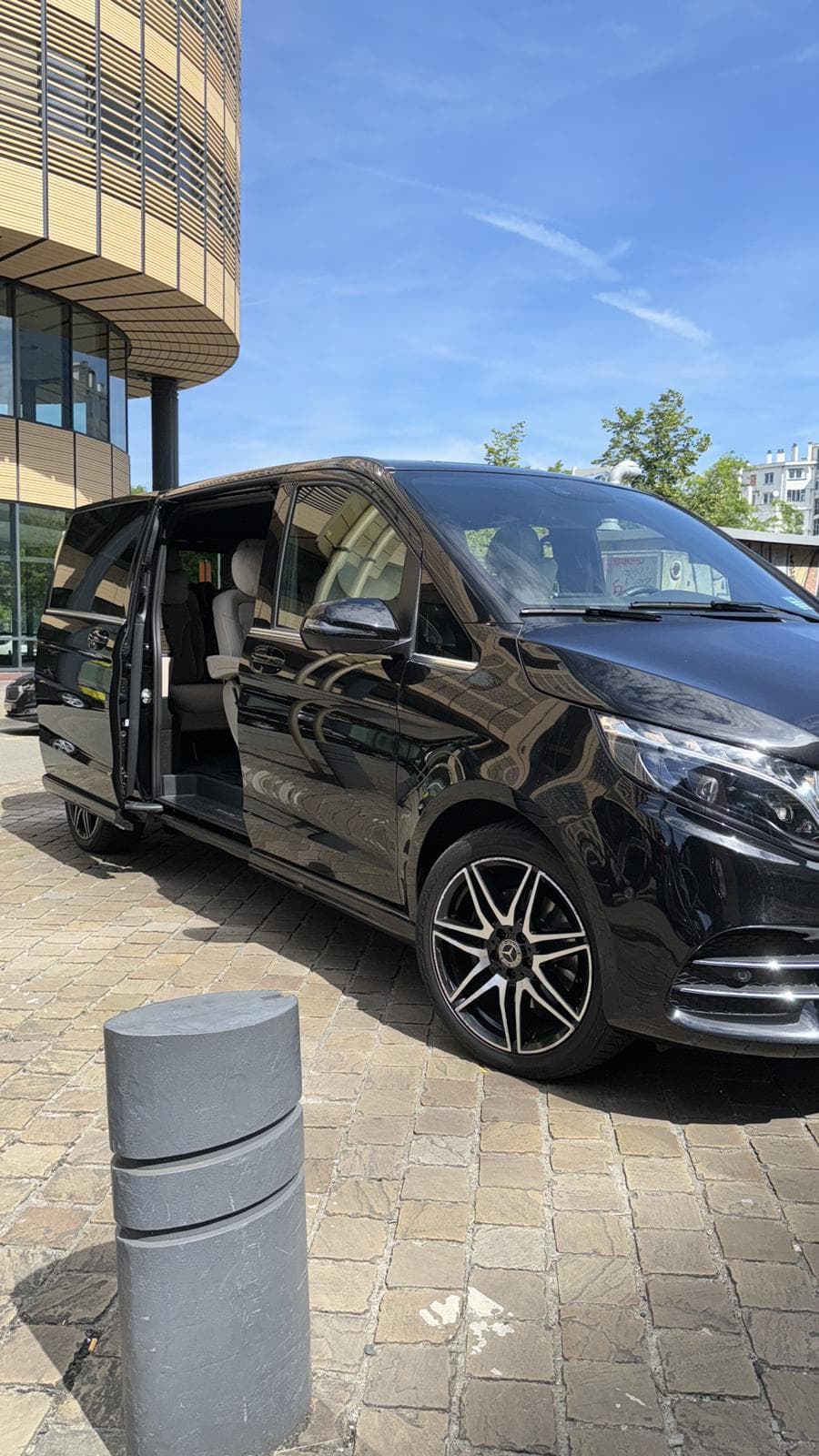
FFGR Belgium collects you from your hotel in a Rolls-Royce or Maybach. A dedicated guide accompanies the programme, providing context on each chocolatier's background, technique, and philosophy. Vehicle waits discreetly between each stop. Purchases are handled with the privacy and discretion expected by serious collectors: gift packaging, temperature-controlled transport back to your hotel, and customs documentation if required for international travel.
Dominique Persoone, founder of The Chocolate Line, created the "Chocolate Shooter", a device for inhaling cocoa powder flavoured with raspberry and ginger, which he demonstrated at a Rolling Stones birthday party. His Chocolate Experience is a multi-sensory event that treats chocolate as a gastronomic medium equivalent to wine. FFGR Belgium can arrange private Chocolate Experience sessions for groups of 2-8 guests with 14 days advance notice.
Yes, combination programmes are the most popular. Morning: chocolate circuit (Sablon). Afternoon: Art Nouveau tour (Horta Museum, Wolfers House) or private gallery circuit. Evening: Comme Chez Soi or Bon-Bon dinner. FFGR Belgium also offers combination programmes with the Belgian beer route, the Antwerp Diamond District, and Bruges for longer visit itineraries. A single concierge manages the full day across all bookings.
Reserve Your Chocolate Programme
Half-day Sablon circuit, complete 6-house tour, or private atelier workshop: FFGR Belgium arranges the access, vehicle, and concierge introductions.