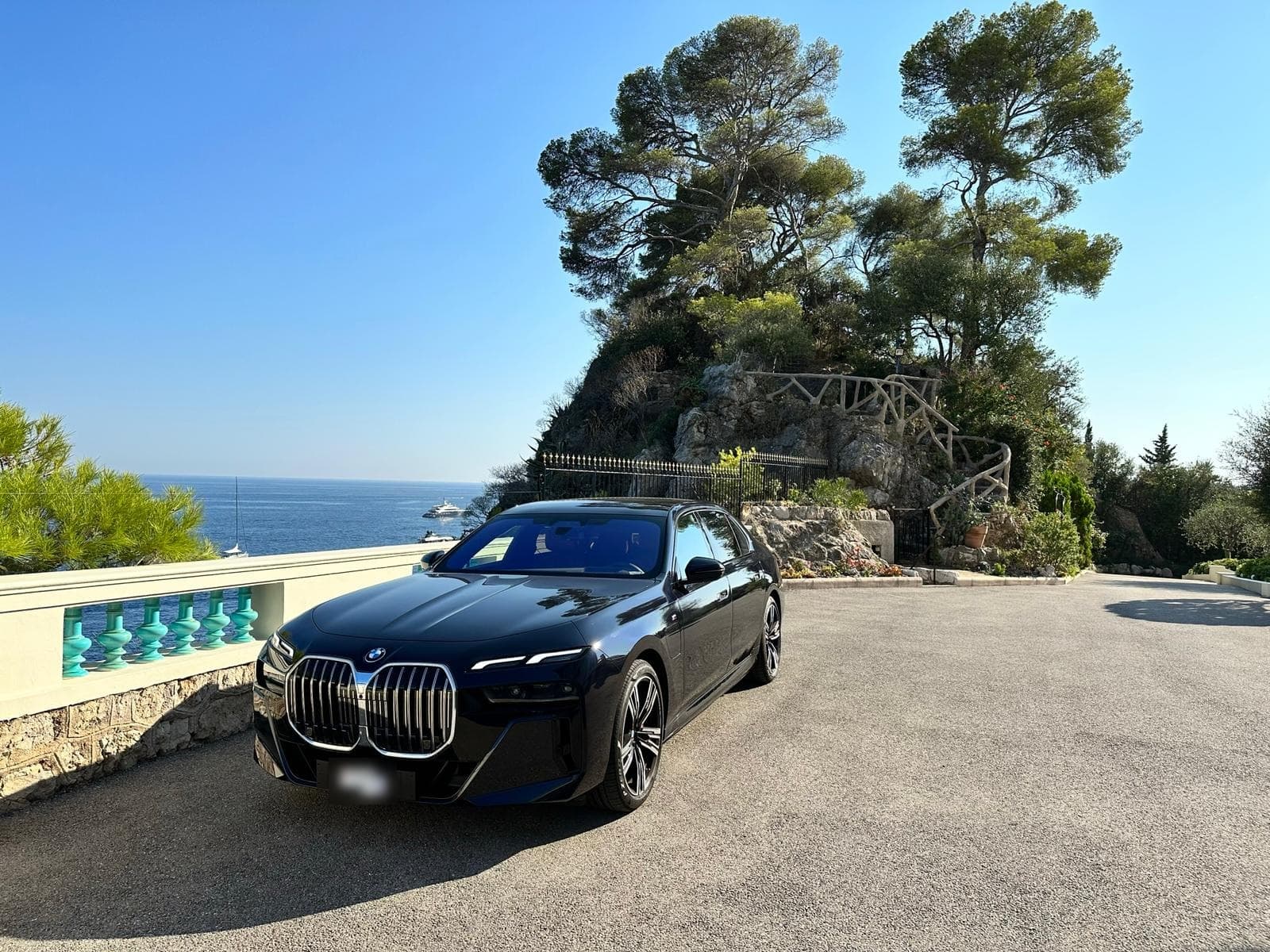
The European Council meets 4-6 times per year at the Europa building in Brussels. FFGR Belgium coordinates ground transport for delegations, contractors, and accompanying principals during summit periods.
The European Council, the summit of EU heads of government, meets formally four times per year at the Europa building on the Schuman roundabout in Brussels, with additional extraordinary summits called for crises. Each summit brings 27 heads of state or government, their delegations, security details, and an estimated 3,000 accredited journalists, advisors, and support staff to a 3-kilometre radius of the EU Quarter.
The operational impact on ground transport in Brussels is substantial. In the immediate perimeter (roughly: Rue Belliard, Rue de la Loi, Rue Froissart, Rue du Trône, a rectangle of approximately 2km²), all vehicle movement requires either pre-authorisation or diplomatic plates. This zone activates approximately 6 hours before the first arriving head of state and remains in effect until the final departure, typically a 16-20-hour window. Street closures and police escort formations extend this disruption across a wider area of the EU Quarter throughout the summit day.
For corporate principals and institutional contractors whose business continues during summit periods, and whose offices are within the impacted zone, the challenge is not the summit itself but the unpredictability of its enforcement radius. Belgian Federal Police and European External Action Service security teams operate a dynamic cordon that can expand without advance announcement. A route that was clear at 08:00 can be closed by 09:30 following a security assessment of an arriving delegation.
FFGR Belgium's summit operation procedure: from 72 hours before an EU Council summit, our operations team monitors the European Council's advance logistics communications (available to registered ground transport operators), the Brussels Mobility Authority's summit traffic advisories, and real-time Federal Police radio communications (monitored by our coordination team). We establish two primary and two secondary routing options for each significant destination in the EU Quarter, updated at 3-hour intervals throughout summit day.
For principals with confirmed access to the Europa building itself: accredited delegation members, credentialed observers, or contractors with summit-period passes: FFGR Belgium can coordinate summit-day vehicle access through the Federal Police registered vehicle system. This requires advance registration (48 hours minimum) with the summit security coordination body. Vehicle registration numbers are submitted; upon clearance, vehicles may access designated delegation staging areas adjacent to the Europa building.
For all other principals with EU Quarter business during summit periods: FFGR Belgium deploys vehicles pre-positioned at the summit's primary hotel cluster (usually Sofitel Le Louise and Conrad Brussels), with route intelligence updated in real time. Journey times to destinations beyond the cordon during summit peak hours (11:00-14:00, 18:00-21:00) should be planned at 2-3× normal duration.