Belgiens anderes Erbe
Flüssiges Erbe
International verbindet man Belgien mit Schokolade und Waffeln, doch sein technisch komplexester und weltweit einflussreichster Beitrag zur Gastronomie ist seine Bierkultur. Kein Land bringt mehr Bierstile hervor. Keine Brautradition ist älter als die der Trappistenklöster. Keine Gärungspraxis ist ungewöhnlicher als der spontan vergorene Lambic des Senne-Tals: ein Bier, das älter ist als die gesamte moderne Brauwissenschaft und ausschließlich auf wilde Hefen setzt.
2016 nahm die UNESCO die belgische Bierkultur in die Liste des immateriellen Kulturerbes auf: als erstes gegorenes Getränk überhaupt. Im selben Jahr kürte RateBeer das Westvleteren 12 zum dritten Mal zum besten Bier der Welt.
FFGR Belgium begegnet belgischem Bier mit demselben Ernst wie den Grand-Cru-Domänen des Burgunds oder den Kellern der großen Champagnerhäuser. Privater Zugang, fachkundige Erläuterung und ein Fahrzeug, das die Fracht mit dem gebotenen Respekt behandelt.
The Belgische Bierroute
Brasserie Cantillon
Die letzte arbeitende Lambic-Brauerei Brüssels, seit 1900 ohne Unterbrechung in der Arbeitergemeinde Anderlecht in Betrieb. Cantillon Gueuze zählt zu den begehrtesten gegorenen Getränken der Welt: weltweit nur kontingentiert erhältlich, von Weinsammlern und Sommeliers gleichermaßen gekauft. Die Brauerei ist eine von der UNESCO geschützte Stätte des Industrieerbes.
Brasserie Boon
Das Lambic-Haus von Frank Boon ist das international bekannteste Gesicht der Tradition des Senne-Tals. Boon Mariage Parfait Gueuze gilt als Maßstab des Stils. Die Brauerei liegt im Zenne-Tal, wo seit Jahrhunderten spontan vergoren wird, und ist ein ernsthaftes Ziel für ernsthafte Trinker.
Abdij Onze-Lieve-Vrouw van Orval
Eine von weltweit nur zwölf Trappistenbrauereien, die das Label Authentic Trappist Product führen dürfen. Der Trappist von Orval ist einzigartig: kalthopfig und mit Brettanomyces nachvergoren, von völlig eigenem Charakter. Die Abtei aus dem 12. Jahrhundert und ihre Ruinen zählen zu den eindrucksvollsten religiösen Stätten Belgiens.
Sint-Sixtusabdij (Westvleteren)
Die Mönche von Sint-Sixtus brauen das berühmteste Bier der Welt, Westvleteren 12, in streng begrenzten Mengen, die nur an der Abtei und nach telefonischer Reservierung verkauft werden. Das Kloster strebt keinen kommerziellen Vertrieb an. Das Café In de Vrede gegenüber der Abtei ist der einzige Ort, an dem es vor Ort getrunken werden darf.
De Halve Maan
Die letzte Familienbrauerei, die seit 1856 innerhalb der mittelalterlichen Mauern von Brügge arbeitet. 2016 stellte De Halve Maan die weltweit einzige Bierpipeline fertig: 3,2 Kilometer unterirdische Leitung, die das Bier vom historischen Zentrum zur Abfüllanlage am Stadtrand befördert. Brugse Zot und Straffe Hendrik sind die Hausbiere.
Brouwerij Drie Fonteinen
Die Geuzestekerij (Gueuze-Verschnitthaus) von Armand Debelder ist einer der großen Namen der belgischen Lambic-Kultur. Die saisonalen Cuvées und Fruchtlambics von Drie Fonteinen sind Kultobjekte in der weltweiten Naturwein- und Bierszene. Nur 20 Kilometer von Brüssel entfernt, wirkt der Betrieb überraschend intim.
Your Belgisches Biererlebnis
Halber Tag Lambic in Brüssel
- Private Führung durch die Brasserie Cantillon (Anderlecht)
- Verkostungsraum Drie Fonteinen (Beersel, 20 km)
- Verkostungsreihe Lambic und Gueuze mit Fachguide
- De Halve Maan (Brügge) als Option
- Rolls-Royce Ghost oder Maybach S680
Tag in den Trappistenklöstern
- Abtei Orval (170 km): Ruinen, Trappistenbrauerei, Klostergelände
- Café In de Vrede in Westvleteren (Tag ohne Kontingentverkauf)
- Privater Historiker- oder Sommelier-Guide durchgehend
- Ardennen-Route über Namur und Han-sur-Lesse
- Rolls-Royce Cullinan oder Phantom
Wochenende zur Vertiefung ins belgische Bier
- Tag 1: Lambic-Rundgang in Brüssel (Cantillon + Boon + Drie Fonteinen)
- Tag 2: Brügge (De Halve Maan VIP + Stadtprogramm)
- Tag 3: Trappist, Orval oder Westmalle
- Privater Sommelier und Bierhistoriker
- Abende in Michelin-Restaurants mit belgischen Bierbegleitungen
- Schloss oder Boutiquehotel während des gesamten Aufenthalts
Belgisches Bier Privater Zugang
Belgien bringt über 1.500 verschiedene Bierstile in rund 300 Brauereien hervor, eine Dichte ohne Vergleich. Die Trappisten-Brautradition, die Spontangärung der Lambic-Biere im Senne-Tal, die saisonalen Geuze-Verschnitthäuser und die Abteibiere stehen jeweils für über Jahrhunderte verfeinerte Traditionen. Der belgische Staat und die UNESCO haben diese Kultur anerkannt: Die belgische Bierkultur wurde 2016 in die UNESCO-Liste des immateriellen Kulturerbes der Menschheit aufgenommen.
Lambic ist der einzige große Bierstil, der durch Spontangärung entsteht: Der Brauer setzt die Würze der Umgebungsluft des Senne-Tals (Brüssel) aus und lässt natürlich vorkommende Wildhefen und Bakterien das Bier über Monate oder Jahre vergären. Das Ergebnis ist ein säuerliches, komplexes Bier, das außerhalb seiner geografischen Zone nicht reproduzierbar ist. Cantillon, seit 1900 ohne Unterbrechung in Betrieb, ist der zugänglichste und gefeiertste Vertreter dieser Tradition. Gueuze (verschnittener Lambic) und Kriek (mit Sauerkirschen) sind die wichtigsten Ausprägungen.
Cantillon betreibt zu den regulären Zeiten ein öffentliches Museum, doch FFGR Belgium organisiert private Führungen außerhalb dieser Zeiten: begleitet von einem Fachguide, der den Brauprozess, die Geografie des Lambic und den Charakter jedes Bieres einordnet. Diese Termine sind nicht öffentlich buchbar und laufen über das Concierge-Netz von FFGR Belgium. Vorlauf von 5 bis 7 Tagen erforderlich.
S1: Westvleteren 12 wird in streng begrenzten Mengen produziert und nur in der Abtei nach telefonischer Reservierung (dem "Bier-Telefon") verkauft oder im Café In de Vrede gegenüber dem Kloster getrunken. FFGR Belgium koordiniert die telefonische Reservierung nach Möglichkeit im Voraus und berücksichtigt das Café In de Vrede in allen Westvleteren-Programmen. Erworbene Kontingente können im temperaturgeführten Kofferraum des Rolls-Royce Cullinan transportiert werden.
Belgisches Bier und belgische Gastronomie bilden eine natürliche Verbindung, die FFGR Belgium häufig empfiehlt. Bierbegleitete Menüs in Sterne-Restaurants (mehrere Sterneköche in Brüssel und Brügge führen eine eigene Bierkarte), ein Dinner mit Privatkoch und Biersommelier in einem Schloss oder ein Besuch der Lambic-Keller mit anschließendem Essen im Comme Chez Soi: das sind die Kombinationen, die unsere Kunden am häufigsten wünschen. FFGR Belgium führt alle Reservierungen über einen einzigen Concierge.
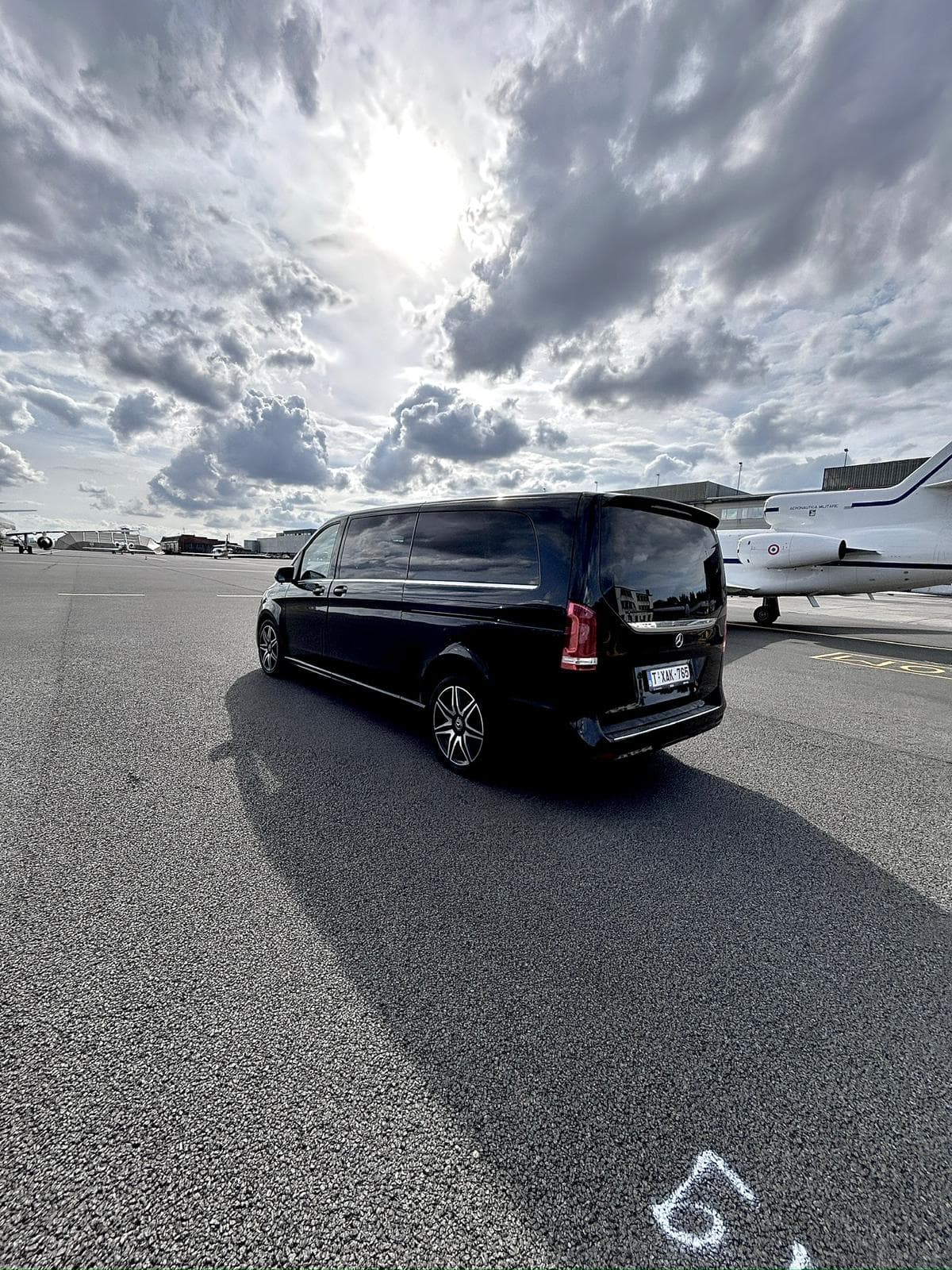
Für ein Tagesprogramm in und um Brüssel eignen sich der Rolls-Royce Ghost oder der Mercedes-Maybach S680. Für den vollen Trappistentag nach Orval oder Westvleteren ist der Rolls-Royce Cullinan die erste Wahl: Sein Gepäckraum nimmt erworbene Flaschen sicher auf, und sein Fahrkomfort auf den ländlichen wallonischen Straßen ist unerreicht. Für Gruppen bieten die Mercedes-Benz V-Klasse und der Sprinter VIP einzelne Ledersitze und sicheren Platz für die erworbenen Flaschen.
Reservieren Sie Ihr Programm zum Biererbe
Halber Tag Lambic, Trappistentag oder Wochenende zur vollen Vertiefung: Fachguide, privater Zugang, Rolls-Royce oder Cullinan durchgehend.