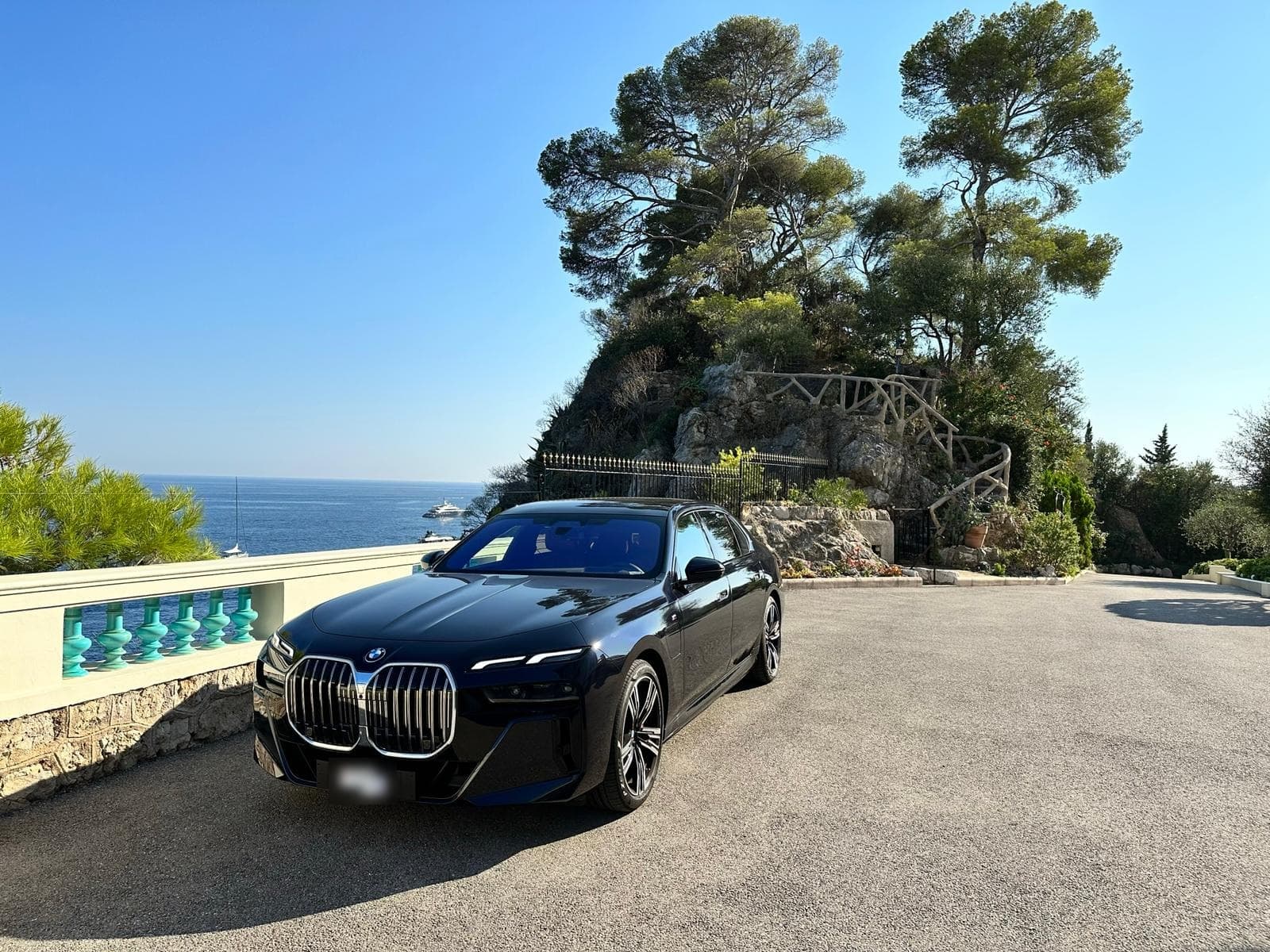
FFGR Belgium erbringt akkreditierte Transportdienste für Delegationen der NATO-Mitgliedstaaten am Brüsseler Hauptquartier. Ein Leitfaden zu Protokoll, Akkreditierung und Einsatzanforderungen.
The North Atlantic Treaty Organization's headquarters at Evere, formally at Boulevard Léopold III, has been a permanent feature of Brussels' security architecture since 1967, when NATO relocated from Paris following France's withdrawal from the integrated military command. The facility's security protocols, credential requirements, and transport staging procedures are among the most exacting in the Belgian capital, surpassing even those of the EU institutions for certain categories of visit.
FFGR Belgium operates accredited transport services for NATO member nation delegations, accredited media, and the senior corporate and policy community that engages regularly with the Alliance's civilian and military structures. This accreditation: maintained through our relationships with the Belgian security services and the NATO Security Office: allows our vehicles and chauffeurs to operate within the vetted transport system rather than the general public access regime that applies to unaccredited operators.
The operational reality of NATO headquarters transport differs from EU institutional transport in several significant respects. The facility has multiple distinct entrance points with different credential requirements: the main entrance on Boulevard Léopold III, the south entrance used by certain national delegations, and the administrative access routes, and vehicle positioning must be co-ordinated with the relevant point of contact within the delegation's host unit before departure. FFGR Belgium's NATO coordinator handles this pre-positioning communication as standard.
The timing sensitivity is acute. NATO ministerial meetings, summit preparation sessions, and working-level defence committee meetings all operate within compressed timeframes where a delegation's late arrival has consequences that extend beyond discourtesy. FFGR Belgium maintains a 15-minute time buffer protocol for all NATO engagements: vehicles depart origin points to arrive 15 minutes before the credential processing window opens, not 15 minutes before the meeting itself.
For delegations requiring close protection in addition to transport: particularly those from nations with elevated threat profiles or principals who operate under standing security requirements: FFGR Belgium coordinates CPO teams certified at the level required for NATO complex access. Our executive protection operatives hold the relevant Belgian security classifications and maintain familiarity with the facility's internal procedures.
Between sessions, many delegation members have commitments at the EU institutions, the Belgian Foreign Ministry on the Rue des Quatre Bras, or bilateral meetings at embassies concentrated in the Ixelles and Etterbeek communes. FFGR Belgium manages these multi-stop itineraries as a continuous programme rather than discrete bookings, ensuring that schedule changes driven by the NATO agenda can be absorbed without disruption to the day's other commitments.