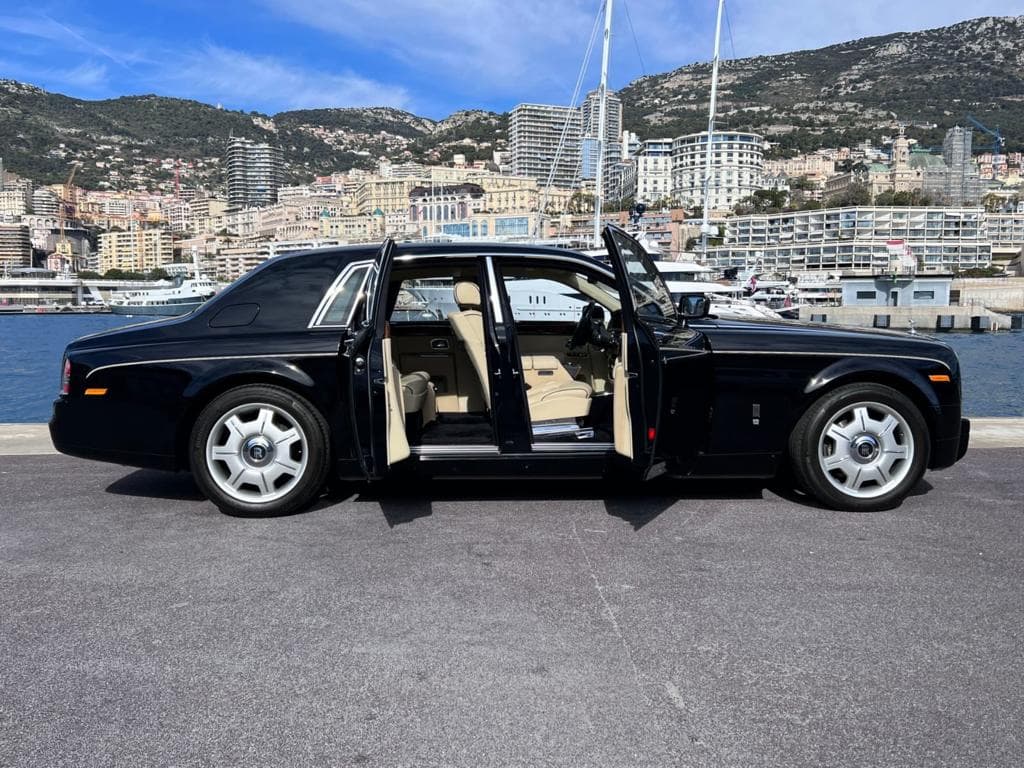
Protocol errors in diplomatic transport have consequences. FFGR Belgium's EU Protocol team prevents them.
Brussels houses the institutions of the European Union, the headquarters of NATO, the Belgian Federal Government, and the diplomatic missions of over 180 countries. In no other city of comparable size does ground transport carry as much protocol consequence.
The hierarchy of diplomatic precedence governs vehicle assignment, door handling, and seating. A chauffeur who opens the wrong door, or a coordinator who places a second-tier delegation in the lead vehicle of a motorcade, creates an incident. In certain bilateral contexts, these incidents have diplomatic consequences that outlast the meeting they were meant to facilitate.
FFGR Belgium's EU Protocol team was established specifically to address this environment. Our team includes a former diplomatic service officer and a protocol adviser with experience at the European Commission. Every new team member completes a 40-hour protocol training programme before managing a diplomatic movement.
Vehicle preparation for diplomatic transport follows a specific checklist. Country flags: matching the correct precedence protocol for bilateral versus multilateral contexts: are maintained in a continuously updated inventory. Interior configurations accommodate different national preferences for seating posture and privacy screening. Some delegations require that no communication occurs with the principal during transit; others prefer a briefing dialogue. We are trained for both.
The physical environment of Brussels presents its own operational challenges. The European Quarter: the area bounded by Rue de la Loi, Rue Belliard, Rond-Point Schuman, and the Cinquantenaire: operates under a different traffic management regime from the rest of the city, with restrictions and permissions that change according to Council agenda. Our coordinators receive these updates in real time.
For embassies and permanent representations coordinating transport for their principals, FFGR Belgium offers advance briefings, secure vehicle positioning agreements, and a 24/7 operations centre that can be contacted directly by security details without routing through public channels.