布鲁塞尔是欧洲机构环境最复杂的城市。北约、180多个外交使团和欧盟机构均设于此地,其安保环境超出大多数高管保护框架的常规适用范围。在这种情况下,专业近身保护团队不再是奢侈安排,而是必要措施。
Brussels presents a security environment unlike any other European capital. It is simultaneously the headquarters of NATO, host to 180+ diplomatic missions, the operational seat of the European Union, and a city where the Belgian Royal Palace and the national government operate within a dense urban fabric. For executives, diplomats, and UHNW individuals operating in this environment, the question is rarely whether executive protection is appropriate: it is when the threat profile justifies the operational investment.
The answer, in our experience, is more frequently than most clients initially assume. The European security environment has shifted materially over the past five years. Threat actors have diversified: state-sponsored surveillance, organised criminal networks operating around diplomatic and financial events, activist-level harassment targeting executives at EU-adjacent summits, and the residual threat from the 2016 Brussels attacks, which fundamentally changed how the Belgian security apparatus perceives its city.
FFGR Belgium's Close Protection Officers are Belgian-licensed under the private security law of April 2, 1990, with international CPO certification. The distinction between a driver who has had some security training and a CPO who has operational executive protection experience is not marginal: it is the difference between an escort and a protection detail.
A correctly designed Close Protection programme for a Brussels engagement begins with the advance work, not the vehicles. Before the principal arrives, our team maps the venues, assesses ingress and egress options, identifies vulnerabilities, and coordinates with the principal's own security team if one exists. For clients at the EU Quarter: the Berlaymont, Justus Lipsius, the Europa building, or the 40+ member-state representations on the Schuman plateau: the advance work includes understanding which streets close for motorcades, where press are positioned, and which access points are most predictable for unwanted contact.
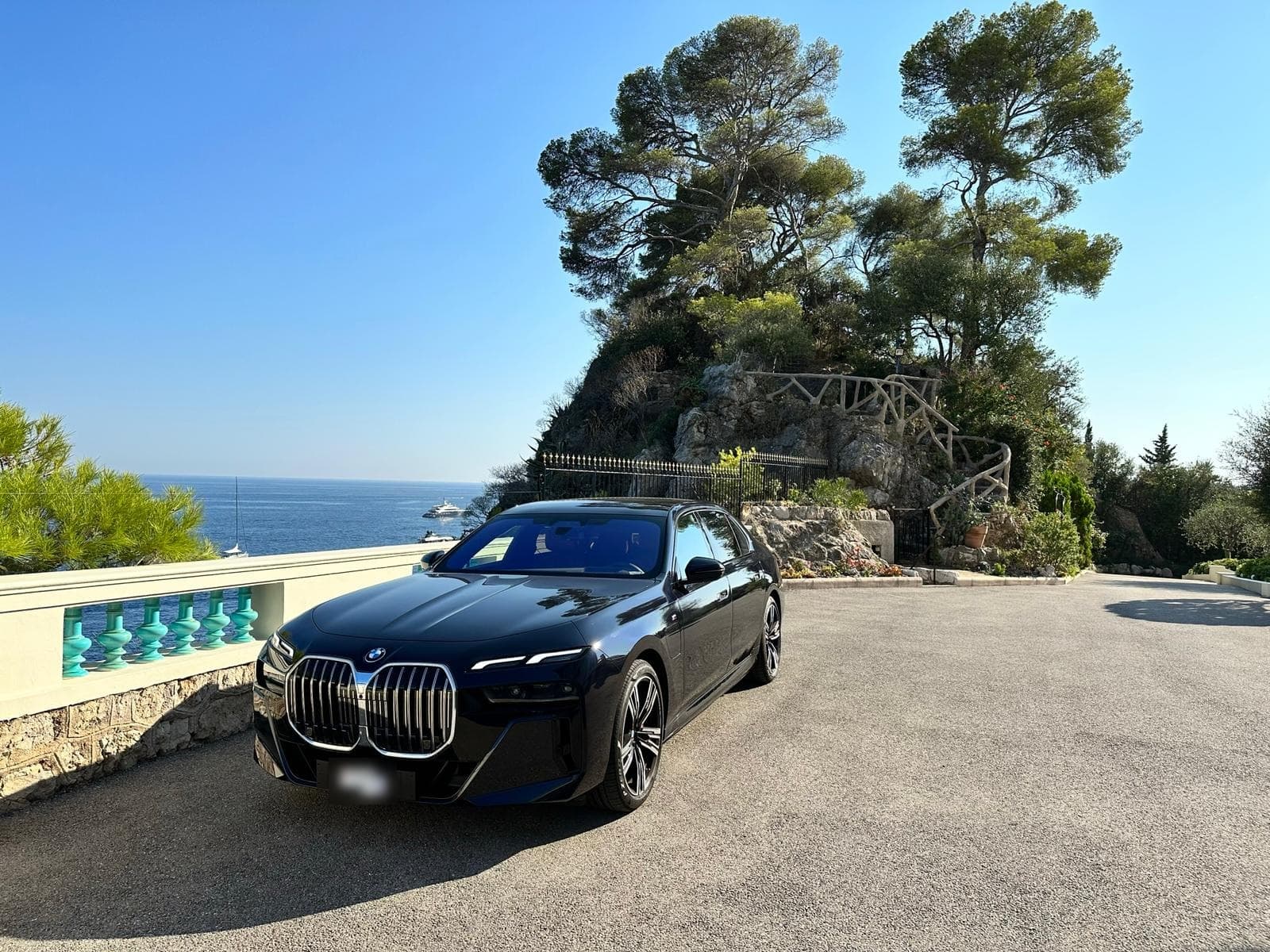
The vehicles in our protection fleet are selected for threat level. At the standard corporate level, CEO of a Fortune 500 company attending EU Competitiveness Council side meetings, a Mercedes S-Class with a CPO-qualified driver and a secondary vehicle carrying an advance agent is a proportionate response. For principals with elevated threat profiles: heads of state visiting in an unofficial capacity, significant diamond district transactions, high-value art movements: FFGR Belgium deploys armoured-ready platforms (Cadillac Escalade ESV, armoured Mercedes GLS) with expanded teams.
One service that generates disproportionate requests is the Antwerp Diamond District programme. A client purchasing a seven-figure stone: entirely routine in the Hoveniersstraat's upper tier, is, for the duration of the acquisition, carrying an object that represents a concentrated theft target. Plainclothes CPO integration with discrete vehicle positioning is not a precaution in this context. It is the correct response to a quantifiable risk.
The decision point we consistently observe: most clients engage executive protection after a specific triggering event, an unwanted approach, a credible threat, or a security review following an incident elsewhere. The more effective approach is to engage at the beginning of a Brussels programme, conduct a threat assessment, and calibrate the response to the actual risk level rather than the perceived one. FFGR Belgium's EU Protocol team is available for threat assessment consultations as a standalone engagement prior to any protection programme commitment.